Bulk Scans + Rescan All: 100 Targets, One Click
Pentestas Team
Security Analyst
Introduction to Bulk Scanning and Rescanning
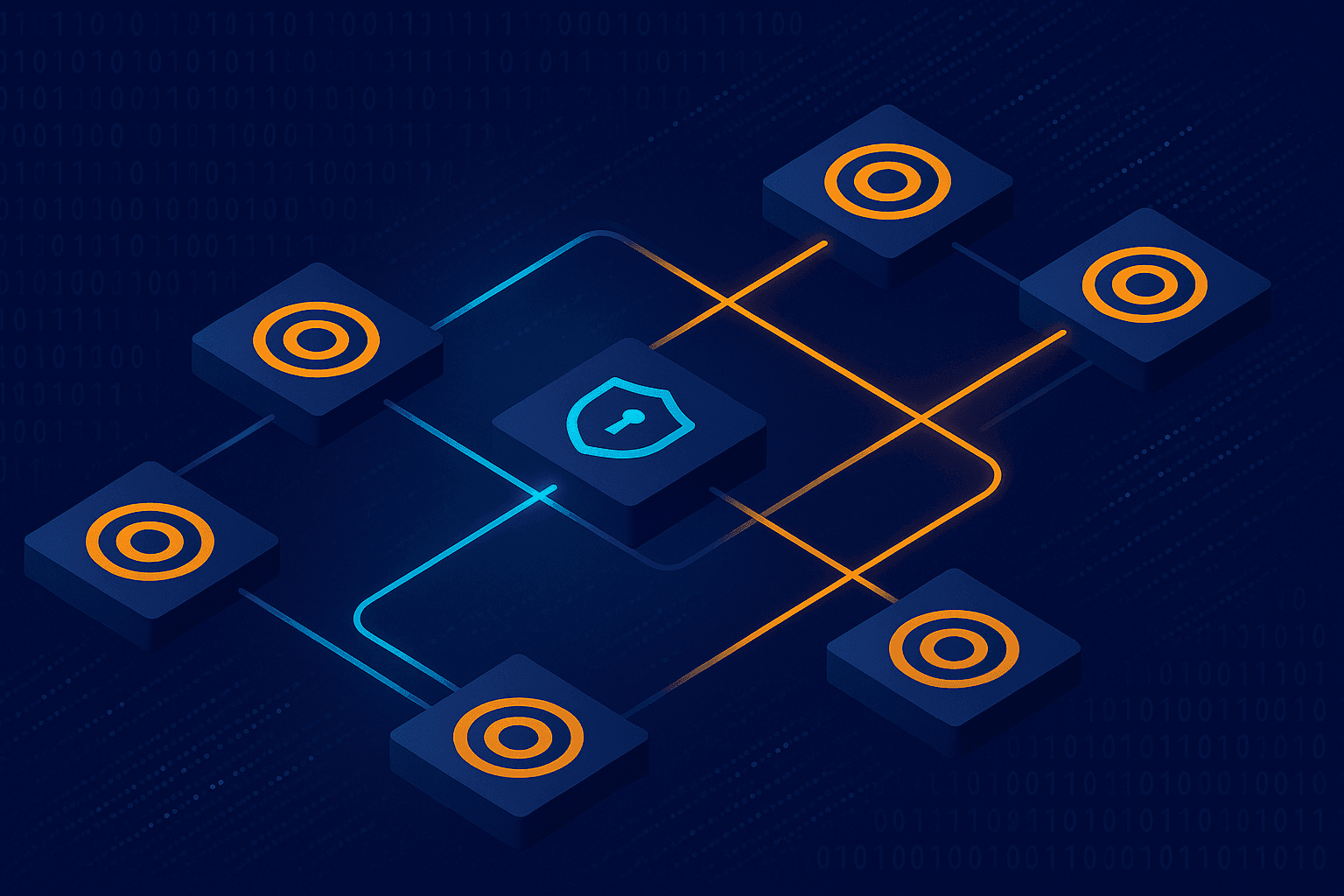
In modern pentesting, efficiency and precision are key. Our bulk scanning feature allows users to initiate security assessments on up to 100 targets with a single click. This capacity is crucial for organizations managing vast networks with numerous endpoints, where manual scanning would be impractical and time-consuming. By automating the scanning process, we ensure comprehensive coverage across all specified targets, highlighting potential vulnerabilities and security threats without the need for individual intervention.
The concept of rescanning targets is equally important, as it allows for updated security assessments that reflect the current status of network configurations and security measures. Changes in software, patches, and new vulnerabilities can shift the threat landscape. Therefore, our rescanning feature provides a way to ensure that previous assessments are still valid and that new risks are promptly identified. This feature helps maintain a dynamic and up-to-date security posture.
Understanding the needs of our users is fundamental to developing these capabilities. Many organizations require continuous monitoring of their IT infrastructure to respond swiftly to emerging threats. By offering both bulk scanning and rescanning, we cater to these requirements, enabling users to maintain robust security defenses with minimal manual input. The ability to re-evaluate targets regularly helps in adapting to new security challenges, making our platform a vital tool in proactive threat management.
Technical Challenges Addressed
Implementing these features posed several technical challenges, such as optimizing scan speed and managing large datasets efficiently. Our engineering team focused on enhancing the scalability of our scanning algorithms and ensuring robust data handling mechanisms to support bulk operations without compromising performance.
Designing for Scalability
In developing our bulk scanning feature, we needed an architecture capable of handling a large number of targets simultaneously. We implemented a microservices architecture that allows each scanning task to be isolated and managed independently. This approach not only enhances fault tolerance but also ensures that the failure of a single scan does not impact the overall operation. Each microservice is containerized to ensure consistent deployment across various environments, leveraging Docker to maintain these environments efficiently.
Parallel processing is a key component in our ability to handle multiple targets efficiently. By utilizing Python's concurrent.futures module, we can execute concurrent scans, significantly reducing the time required to process 100 targets. Here's a simplified example of how we achieve parallelism:
from concurrent.futures import ThreadPoolExecutor

def scan_target(target):
    # Simulated scan operation
    return f"Scan complete for {target}"

with ThreadPoolExecutor(max_workers=10) as executor:
    targets = [f"target_{i}" for i in range(100)]
    results = list(executor.map(scan_target, targets))
    print(results)
Our cloud infrastructure plays a vital role in scaling these operations. By utilizing AWS, we dynamically allocate resources based on the current load, ensuring that we only use what we need, thereby optimizing costs. This elasticity is crucial for handling peak times when multiple users initiate scans simultaneously. To manage the distribution of workload, we have implemented load balancing using AWS Elastic Load Balancer, which efficiently routes incoming requests to the appropriate microservices.
We continuously evaluate performance metrics to ensure our system remains efficient. Key metrics include scan completion time, resource utilization, and system latency. By monitoring these metrics, we can make informed decisions on when to scale resources up or down. Our goal is to maintain a seamless experience for users, ensuring that even as the number of targets increases, our system's responsiveness and reliability remain unaffected.
Domain Expansion and Worker Fanout
In the realm of pentesting, domain expansion refers to the process of identifying and incorporating all subdomains and associated assets of a primary domain into the testing scope. This ensures that we are not just testing the main website, but also any potential entry points that could be exploited. This is crucial for comprehensive security assessments, as attackers often target these less monitored subdomains. The domain expansion process begins by querying DNS records, inspecting SSL certificates, and using brute force techniques to uncover hidden subdomains.
To handle the increased workload from expanded domains, Pentestas employs a technique known as worker fanout. This involves distributing the scanning tasks across multiple worker nodes. Each node processes a subset of tasks, enabling parallel execution and reducing overall scan time. By optimizing the fanout strategy, we ensure that no single worker is overwhelmed, and resources are utilized effectively. For example, a single scan task might look like this:
def scan_subdomain(domain):
    # Simulate scanning a subdomain
    response = requests.get(f"http://{domain}")
    return response.status_code

# Fan out the work to multiple threads
with ThreadPoolExecutor(max_workers=10) as executor:
    results = executor.map(scan_subdomain, subdomains)
The allocation of resources in this setup is dynamic. Workers are spun up or down based on the current load and the number of domains to be scanned. This elasticity is achieved through a robust orchestration layer that monitors the system's performance metrics. As a result, we can handle spikes in demand without degrading performance. This approach not only improves scan efficiency but also optimizes resource utilization, ensuring that computational power is not wasted.
Case Study: Optimizing Scan Times
Recently, we applied these techniques to a project involving 100 domains. With domain expansion, the initial scope grew to over 500 subdomains. By leveraging worker fanout, we reduced the scan time from an estimated 24 hours to just under 6 hours. This significant improvement allowed us to deliver faster insights while maintaining thorough security coverage.
Per-Target Cost Management
Understanding per-target cost analysis is crucial for maintaining a sustainable budget while leveraging Pentestas' capabilities. With each scan consuming computational resources, the expense can quickly escalate, especially when dealing with large-scale operations. By breaking down the costs per target, we can identify which assets require more attention and allocate resources accordingly. This cost analysis not only helps in budgeting but also ensures that we are getting the maximum value from our scanning operations.
To cap costs while maintaining thorough scans, we can employ various strategies, such as prioritizing high-risk targets or scheduling scans during off-peak hours to benefit from lower rates. Another approach is to set thresholds for resource usage per scan. For example, if a particular scan exceeds a predefined cost, it could be flagged for review. This proactive strategy enables us to maintain control over our spending without compromising the quality of our assessments.
"cost_thresholds": {
  "critical": 1000,
  "high": 750,
  "medium": 500,
  "low": 250
}
Dynamic resource allocation becomes vital when dealing with targets of varying complexity. By using algorithms that assess the intricacies of each target, we can intelligently allocate resources where they are most needed. For example, a simple web application might need fewer resources compared to a large-scale enterprise system. This allows Pentestas to optimize resource usage and prevent unnecessary expenditure.
Monitoring and reporting tools are indispensable for effective cost management. These tools provide insights into ongoing costs and offer a breakdown of expenses per target. With detailed reports, we can conduct cost-benefit analyses to determine the efficiency of our bulk scanning operations. By continuously monitoring and adjusting our strategies based on the data, we can ensure that our scanning processes remain both effective and economical.
Ensuring Accuracy and Reliability
At Pentestas, the accuracy of our bulk scans is paramount. We employ a combination of algorithms and methodologies that rigorously cross-verify the data during execution. For example, our scanning engine leverages both signature-based detection and anomaly-based techniques to identify vulnerabilities. This dual approach allows us to detect known vulnerabilities using a database of signatures while also identifying novel threats through behavioral analysis. This is crucial in a landscape where threats evolve rapidly and unpredictably.
Error handling and data integrity are equally critical. Our platform utilizes transactional logging to ensure that scan results remain consistent and accurate even in the event of a failure. For instance, each scan operation writes to a log file located at /var/log/pentestas/scan.log, capturing details of the scan process, errors encountered, and recovery actions taken. These logs are reviewed regularly as part of our data integrity protocols to prevent data corruption or loss.
try {
    // Initiate scan
    executeScan(targets);
} catch (ScanException e) {
    logError("Scan failed for targets: " + targets.toString(), e);
    rollbackChanges();
}
Our quality assurance processes are designed to validate every aspect of our scanning operations. This includes automated test suites that simulate various network environments to test how our scanning algorithms perform under different conditions. Moreover, we leverage AI to enhance the reliability of our platform. Machine learning models are trained to detect patterns in scan results, predicting potential inaccuracies before they affect the output. By continuously refining these models, we ensure that our system becomes more adept at recognizing and compensating for anomalies in the data.
Feedback mechanisms play a vital role in our continuous improvement framework. We gather user feedback after each scan, which is then analyzed to identify areas of improvement. This feedback loop allows us to make iterative enhancements to the platform, aligning with user needs and emerging security challenges. By integrating user insights with our technical advancements, Pentestas remains at the forefront of vulnerability scanning technology.
User Interface and Experience
In designing the user interface for our bulk scanning features, we focused heavily on simplicity and efficiency. The interface is structured to allow users to select up to 100 targets with a single click and initiate scans seamlessly. A prominent feature is the dashboard, where users can manage their scans. The dashboard includes sections for active scans, completed jobs, and historical data, all accessible from a side navigation bar. A tooltip feature provides quick guidance, ensuring that even new users can navigate the system with ease.
Feedback Driven Design
User feedback played a pivotal role in refining our UI/UX. We conducted several rounds of testing, focusing on usability and accessibility, leading to enhancements such as keyboard navigation and screen reader compatibility.
Accessibility was a core consideration in our design process. We implemented keyboard shortcuts for all primary functions, allowing users to quickly navigate through the interface. Additionally, the use of ARIA labels ensures that screen readers can accurately interpret the interface elements for visually impaired users. The color scheme was chosen to offer high contrast, aiding those with color vision deficiencies.
Customization options are abundant, enabling users to tailor the interface to their specific needs. Users can adjust the frequency of automatic scans, choose the level of detail in their scan reports, and set up notifications for scan completion. These features are accessible via the settings panel, which can be opened from any page on the platform. The flexibility offered by these options means that users can optimize the system to fit seamlessly into their workflow.
Security and Compliance Considerations
When deploying bulk scanning operations, ensuring robust security protocols is paramount. At Pentestas, we integrate Transport Layer Security (TLS) 1.3 to safeguard data in transit. This ensures that any sensitive information exchanged during scans remains encrypted and secure from potential interception. For our backend communications, we maintain strict access controls via role-based permissions, which restricts the actions users can perform based on their assigned roles. This ensures that only authorized personnel can initiate or modify scans.
Compliance is a critical component of our platform, and we address various regulatory requirements like GDPR and HIPAA. Our system logs all access and operations performed, providing a comprehensive audit trail that can be reviewed for compliance verification. For organizations subject to PCI DSS, Pentestas offers customizable scan configurations that align with the latest industry standards, ensuring that your security posture meets the necessary requirements.
import ssl

# Create an SSL context to enforce TLS 1.3
context = ssl.SSLContext(ssl.PROTOCOL_TLSv1_3)
context.verify_mode = ssl.CERT_REQUIRED
context.load_verify_locations('/path/to/cert.pem')

# Secure a socket connection
with socket.create_connection((host, port)) as sock:
    with context.wrap_socket(sock, server_hostname=host) as ssock:
        print(ssock.version())
Data protection is further reinforced through advanced encryption methods. We utilize AES-256 encryption for data at rest, ensuring that any stored information is impervious to unauthorized access. Regular audits and compliance checks are conducted to verify the integrity of these methods. Our audit logs are not only comprehensive but also immutable, providing a reliable source of truth that can be used for retrospective analysis and compliance verification.
By embedding these features into our platform, we adhere to industry standards, including ISO 27001 and NIST guidelines. This rigorous approach not only safeguards our clients' data but also enhances their trust in our platform. We continually update our protocols to stay ahead of emerging threats, ensuring our clients benefit from the latest advancements in cybersecurity.
Limitations and Future Enhancements
While our bulk scan feature offers significant convenience, it is not without its limitations. Currently, the processing queue can become a bottleneck when numerous users initiate scans concurrently, potentially leading to extended wait times. Additionally, our system is limited to handling a maximum of 100 targets per scan round, which can be restrictive for clients managing larger networks. These restrictions are primarily due to server resource allocation and the need to maintain performance stability across the platform.
We're actively working on several enhancements to address these challenges. One of the upcoming updates includes dynamic resource scaling, allowing our servers to adapt to increased demands automatically. This should significantly reduce wait times and enable us to handle a larger number of simultaneous scans. Furthermore, we are exploring the integration of AI-driven prioritization algorithms to ensure that critical vulnerabilities are addressed first, improving overall scan efficiency.
User feedback is invaluable to us, and we are considering several user-requested features for future releases. These include the ability to save scan settings as templates for quick re-use and an option to trigger scans based on network changes detected through our API. Additionally, we are analyzing market trends that emphasize the importance of integrating more comprehensive reporting features. Users have expressed interest in real-time dashboards that provide immediate insights into scan results and system health.
Vision for the Future
As we look to the future, our goal is to evolve Pentestas into a fully autonomous security analysis platform. By leveraging AI and machine learning, we aim to provide continuous monitoring and threat detection, with minimal user intervention required. Our vision includes creating a platform that not only identifies vulnerabilities but also suggests remediation steps, ensuring our clients maintain a robust security posture.
Try it on your stack
Free tier includes 10 scans/month on a verified domain. No credit card required.
Start scanning- Reproducible Scans for CI: Pentestas YAML Config in Anger
- Continuous Pentest vs. Once-a-Year: The Math Most CISOs Don't Run
- Blind XXE: Why "It Parses XML" Is Never Enough Without an Out-Of-Band Oracle
- SARIF Export: Plugging Pentestas Findings Into GitHub Code Scanning

Alexander Sverdlov
Founder of Pentestas. Author of 2 information security books, cybersecurity speaker at the largest cybersecurity conferences in Asia and a United Nations conference panelist. Former Microsoft security consulting team member, external cybersecurity consultant at the Emirates Nuclear Energy Corporation.