Continuous Penetration Testing, Run by AI That Never Stops
An annual pentest is a photograph; your software is a movie. Pentestas is a continuous penetration testing platform — an AI penetration testing system that re-tests your web apps, APIs, and SaaS every time you ship. It discovers your attack surface, exploits real vulnerabilities, proves the impact with replayable evidence, and re-verifies every fix. You close the window attackers live in: the months between point-in-time tests.
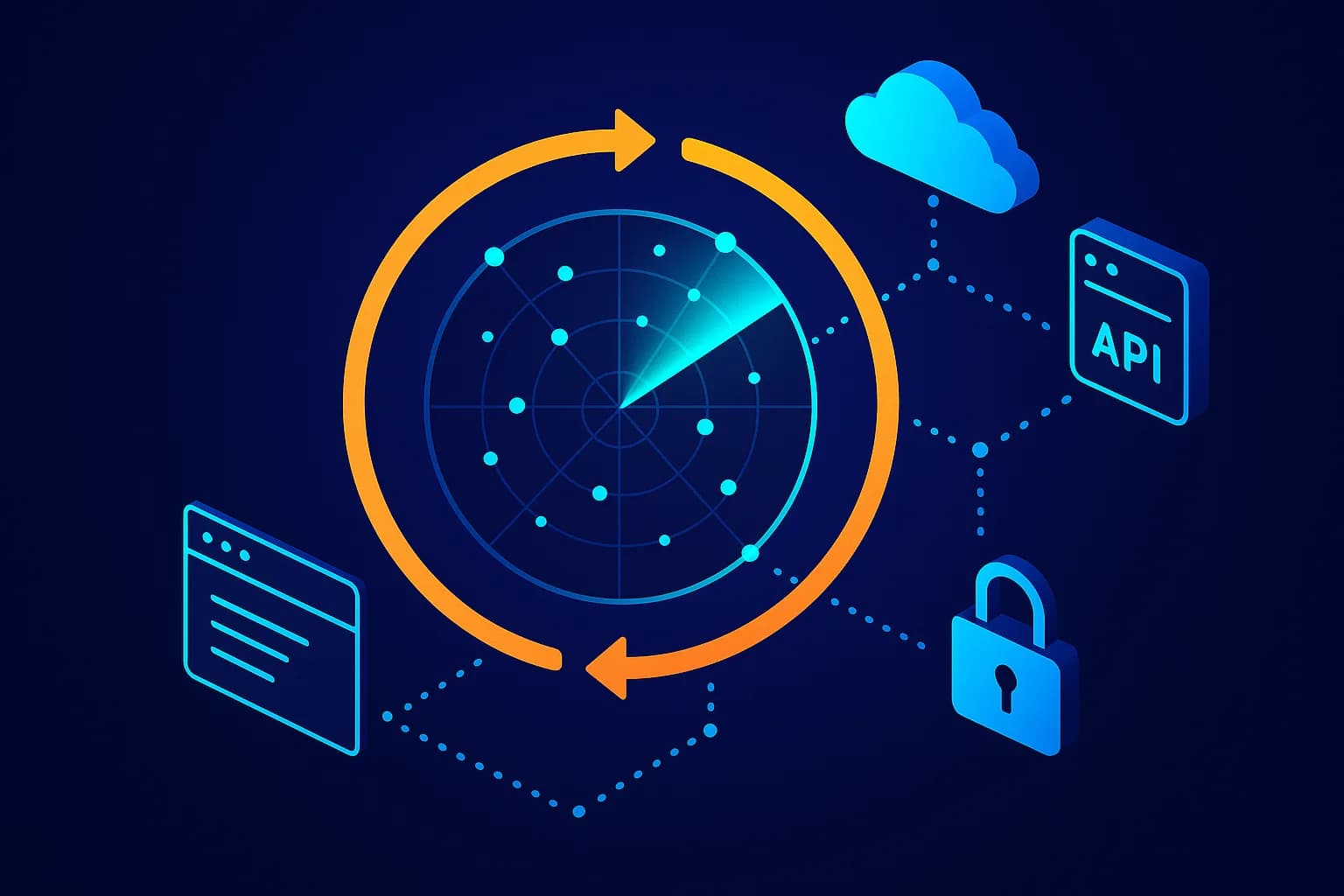
What Is Continuous Penetration Testing?
Traditional penetration testing is a calendar event. A consultant tests your application for two weeks, hands you a PDF, and that report begins decaying the moment your team merges the next pull request. By the time the next annual engagement comes around, dozens of releases have shipped untested — and that gap is exactly where breaches happen.
Continuous penetration testing closes the gap. Instead of a single snapshot, the Pentestas platform runs the full offensive playbook on a continuous cadence: on every deploy, on a schedule, or on demand. The same techniques a senior tester would use — injection, broken access control, authentication bypass, SSRF, business-logic abuse — run automatically and prove themselves with working exploits. It is penetration testing with AI doing the planning and reasoning, and a deterministic engine doing the exploitation and verification.
The result is a living security posture: you always know what an attacker can reach right now, not what they could reach last spring.
The Threat Moves in Hours. An Annual Test Moves Once a Year.
A pentest once or twice a year verifies your surface for roughly two days out of 365. The gap between “tested” and “exposed” is where breaches happen — and the data shows that gap widening every year.
Average cost of a data breach — a record high, up 10% in a single year.
IBM, Cost of a Data Breach 2024Of breaches now begin with vulnerability exploitation — up ~180%, then another 34%, in two years.
Verizon DBIR 2024–2025Attackers commonly exploit a newly disclosed vulnerability within a day; the window has compressed to under a week.
VulnCheck; Mandiant M-TrendsMedian attacker dwell time — but the flaw that let them in was often exploitable for far longer.
Mandiant M-Trends 2024Continuous testing verifies your surface every time you ship — collapsing the exposure window from months to hours, exactly where the loss actually happens.
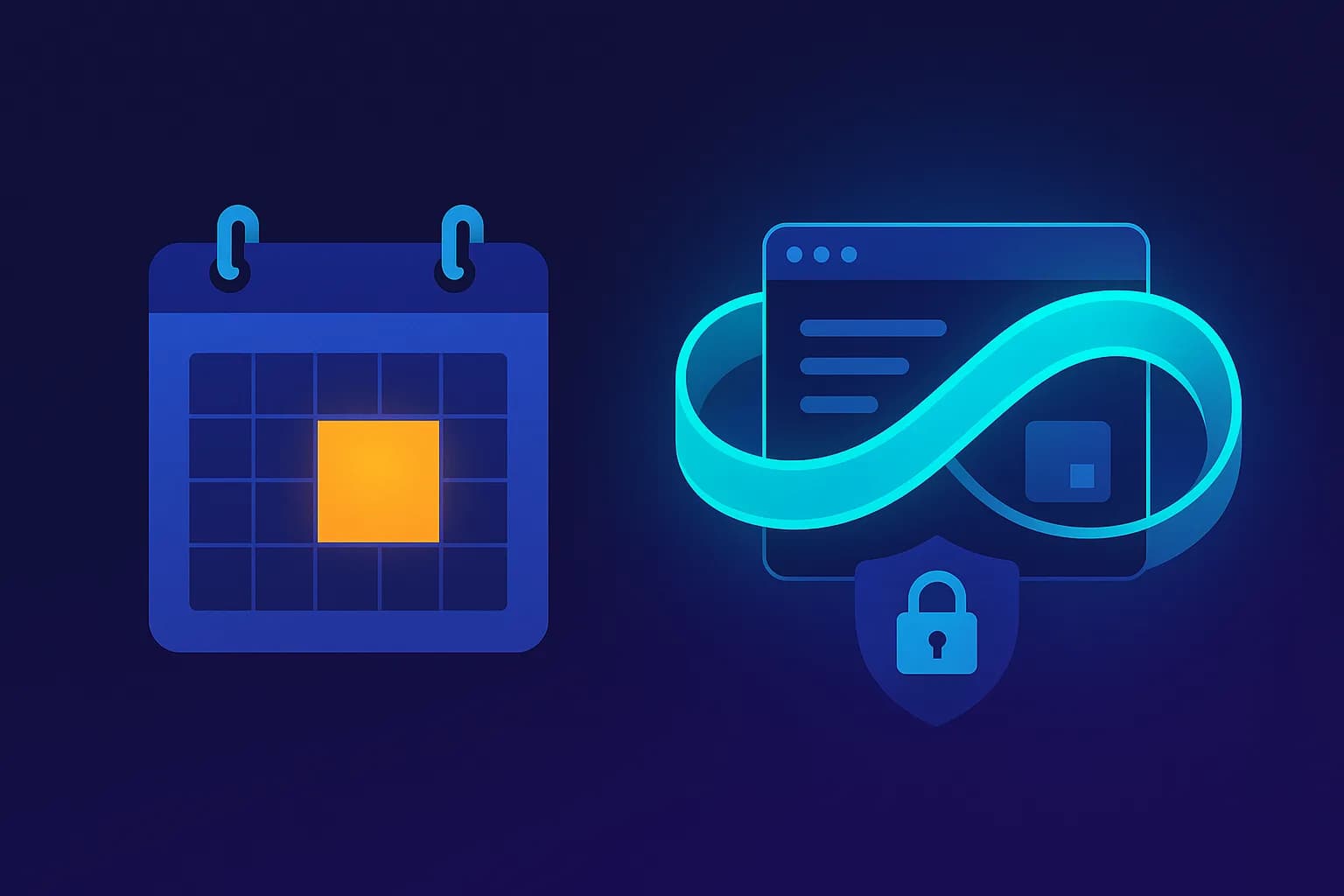
Why Continuous Beats Once-a-Year
Point-in-time testing was designed for software that changed once a quarter. Modern teams deploy daily. Here is what always-on testing changes.
No More Blind Months
An annual test leaves ~360 days unverified. Attackers now exploit new vulnerabilities within a day of disclosure — so a flaw introduced Tuesday is at risk Tuesday. Continuous testing re-runs on every release and catches it then, not eleven months later in the next audit window.
Catches Regressions Instantly
Fixes get un-fixed. A refactor reintroduces an old IDOR; a new endpoint copies an insecure pattern. Continuous testing re-checks the whole surface every cycle and flags regressions the moment they reappear.
Risk Trends, Not Snapshots
You see your security posture as a live graph — open findings, mean time to remediate, regressions over time — instead of a stale PDF. Leadership gets a defensible trend line, not a once-a-year scare.
Always Audit-Ready
PCI DSS 4.0 now requires testing after every significant change — plus proof the fix was retested. SOC 2, ISO 27001 and DORA increasingly expect ongoing validation, not a stale annual report. Continuous testing produces that dated, verified trail year-round.
Shift Security Left
Because findings arrive in minutes with reproducible proof, engineers fix them while the code is still fresh in their heads — far cheaper than reopening it a year later.
Lower Total Cost
A continuous subscription typically costs less than a single annual manual engagement, while covering far more of the year. The math, run honestly, almost always favors continuous.
A Platform, Not Just a Scanner
Continuous testing is only useful if you can trust every finding. These are the platform capabilities that make the output something you can act on without a triage tax.
Multi-Agent Offensive Engine
Specialised AI agents for injection, access control, authentication, SSRF, and business logic work the target in parallel — an AI penetration testing system that reasons about your app instead of replaying a fixed checklist.
Real Exploitation Evidence
Every critical finding ships with a replayable proof: the exact request, the forged token, and the data the exploit pulled back — SQL injection that dumps real rows, not a scanner guessing from a status code.
Accuracy Gate
Before a high or critical finding reaches your dashboard, an independent verifier replays it. If it cannot reproduce the exploit, the finding is demoted. That fail-closed gate is why teams trust the output in CI.
Automatic Retest & Verification
Mark a finding fixed and the platform re-runs the exact exploit on the next cycle. Genuinely remediated issues close themselves; regressions reopen automatically. Retest is included, not a paid extra.
Penetration Testing With Claude or DeepSeek
Run reasoning on the model you trust. The platform supports penetration testing with Claude and penetration testing with DeepSeek, and you can bring your own API key so prompts and findings stay under your control.
Audit-Ready Reporting
Export executive summaries and granular technical findings with severity, business impact, and remediation steps — SOC 2, ISO 27001 and PCI DSS evidence generated continuously rather than bolted on before an audit.
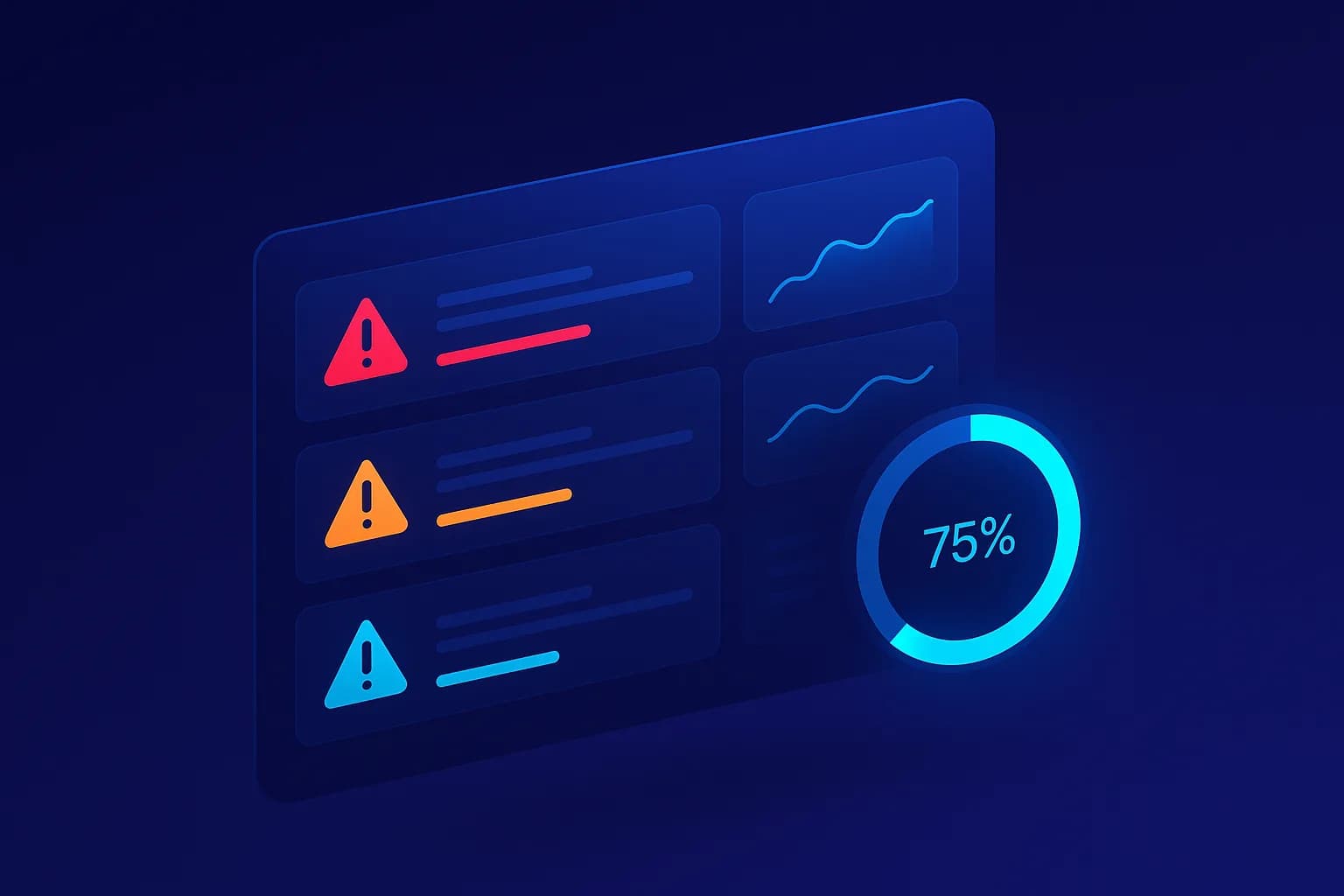
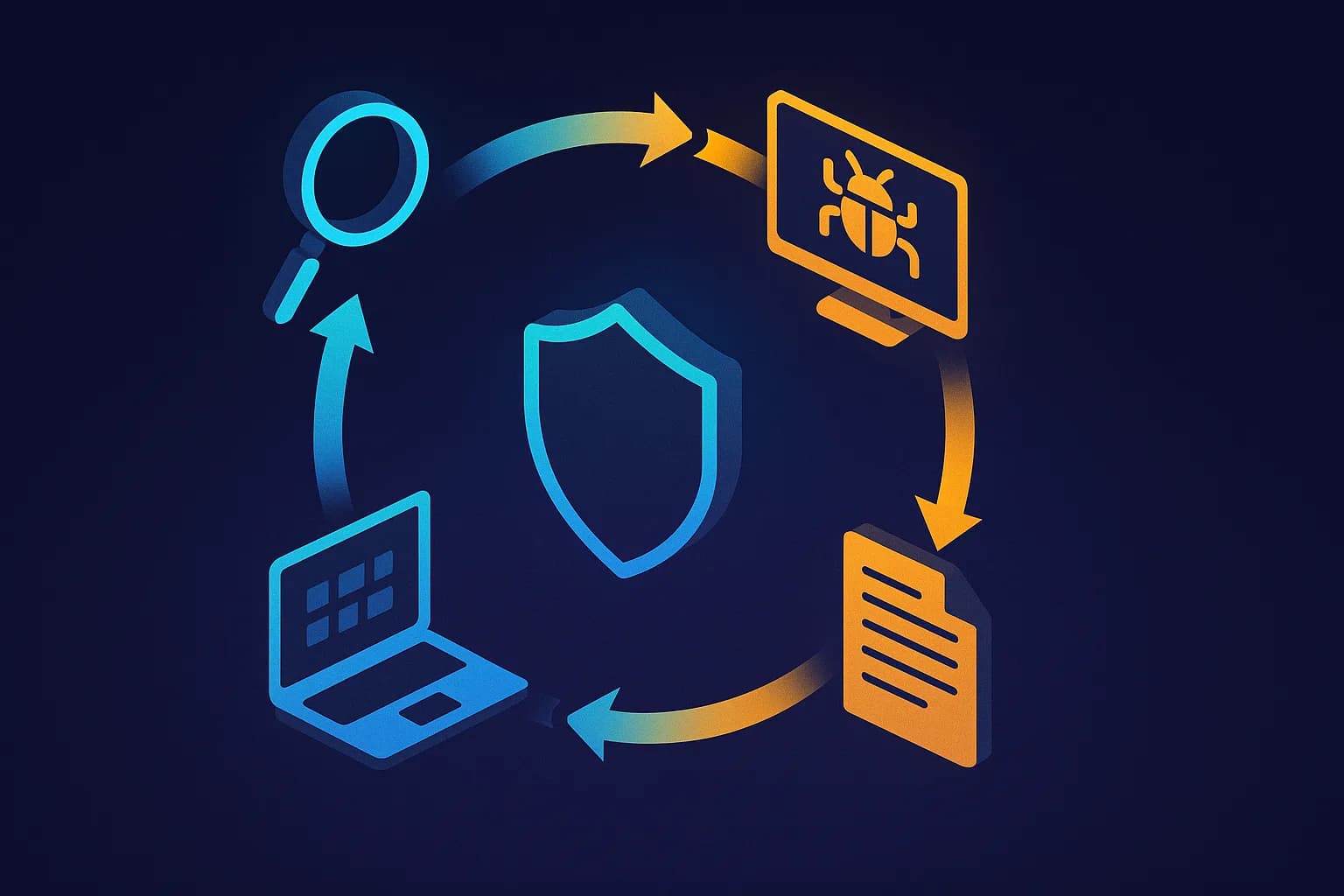
How Continuous Testing Works, Cycle After Cycle
Every cycle runs the same disciplined loop a senior tester would — and then does it again the next time your code changes.
Continuous Discovery
The crawler and API miner map your live attack surface every cycle — new endpoints, new parameters, SPA routes pulled from JS bundles, and freshly shipped features. You cannot test what you have not discovered, so discovery never stops.
AI-Planned Attack
Specialised agents probe each surface with context-aware payloads, chaining weaknesses the way a human attacker would. This is penetration testing with AI: the model reasons about responses and decides what to try next instead of firing a static list.
Real Exploitation
A candidate vulnerability is not a finding until it is exploited. The engine extracts data through injection, forges tokens to reach protected functions, and reaches internal services through SSRF — capturing the proof as it goes.
Verification & Reporting
The Accuracy Gate independently replays every high and critical finding before it lands on your dashboard, complete with a reproducible request and remediation guidance written for the developer who has to fix it.
Retest & Track
Push a fix and the next cycle re-runs the exact exploit to confirm it. Findings close when they are genuinely gone and reopen on regression, building a continuous, audit-ready history of your security posture.
Built for Teams That Ship Constantly
Continuous penetration testing earns its keep wherever code changes faster than an annual test can keep up.
B2B SaaS Platforms
A B2B SaaS pentest has to prove tenant isolation on every release. Continuous testing re-checks cross-tenant access, RBAC, and SSO paths each cycle so a refactor never quietly opens a door between customers.
High-Velocity Engineering
If you deploy daily, an annual test is theatre. Wire continuous testing into your pipeline and treat verified findings like failing tests — caught in CI, fixed before they reach customers.
Compliance-Driven Orgs
SOC 2, ISO 27001, HIPAA and PCI DSS reviewers increasingly expect ongoing testing. Continuous evidence keeps you audit-ready year-round instead of buying a rushed pentest the week before the audit.
API-First Products
APIs are the number-one breach vector. The engine mines endpoints from specs and JS bundles and hammers REST and GraphQL for BOLA, mass assignment, and broken auth on every cycle.
Fintech & Regulated Data
When you hold money or health records, the months between annual tests are unacceptable risk. Always-on testing with safe, non-destructive payloads keeps the surface honest without endangering production.
Lean Security Teams
No in-house red team? Pentesting as a service gives a two-person security function the coverage of a continuous offensive program, with verified findings instead of a scanner firehose to triage.

Pentesting As a Service, on a Subscription
Continuous coverage for less than a single annual manual engagement. Pick a plan, point it at your target, and the testing never stops.
Starter
One target, continuous web and API testing, verified findings, and retest included.
Professional
Multiple targets, authenticated scans, AI narratives, and live dashboard for growing teams.
Business
Higher volume, compliance reporting (SOC 2, PCI DSS, HIPAA), and priority support.
Enterprise
Unlimited scope, SSO, bring-your-own-key, on-prem agent, and a tailored contract.
Every plan includes verified findings, free retest, and safe non-destructive testing. See the full pricing matrix or talk to us about Enterprise.
Go Deeper
Continuous Penetration Testing: The Complete Guide
What it is, how the engine works, and how to roll it out.
ReadContinuous vs. Traditional Pen Testing
Coverage, cost, and finding-decay — the honest comparison.
ReadContinuous Pentesting for SOC 2 & Compliance
Stay audit-ready year-round with continuous evidence.
ReadStop testing once a year. Start testing every deploy.
Point Pentestas at a target and watch the first verified, exploit-backed findings land within minutes. No procurement cycle, no two-week wait — just continuous penetration testing that proves what an attacker can actually reach today.